

Embarking on the exploration of sustainable architecture solutions for urban areas, we delve into a world where innovative design meets environmental consciousness. This captivating journey promises insights into how modern buildings can harmoniously coexist with nature in bustling city settings.
As we uncover the principles and practices behind sustainable architecture, a vision emerges of urban landscapes transformed by energy-efficient design, eco-friendly materials, and lush green spaces.
Sustainable Architecture Overview
Sustainable architecture refers to the design and construction of buildings that are environmentally responsible, energy-efficient, and economically viable. In urban areas, where population density is high and resources are limited, sustainable architecture plays a crucial role in reducing the carbon footprint and promoting a healthier living environment.
The principles of sustainable architecture revolve around minimizing the use of non-renewable resources, reducing waste, and creating buildings that are energy-efficient and environmentally friendly. This involves incorporating features such as green roofs, solar panels, natural ventilation systems, and recycled materials into the design and construction process.
Common Sustainable Architectural Features in Urban Settings
- Green Roofs: These roofs are covered with vegetation, which helps reduce heat absorption and provide natural insulation, lowering energy consumption for cooling and heating.
- Solar Panels: By harnessing the power of the sun, solar panels generate clean and renewable energy to power buildings and reduce reliance on traditional energy sources.
- Natural Ventilation Systems: Incorporating windows, vents, and other openings for cross-ventilation can reduce the need for mechanical cooling systems, improving indoor air quality and energy efficiency.
- Recycled Materials: Using recycled materials in construction not only reduces waste but also minimizes the environmental impact of extracting and processing raw materials.
Energy-Efficient Design
In the realm of sustainable architecture, energy-efficient design plays a crucial role in reducing energy consumption and promoting environmental sustainability in urban buildings. By incorporating various strategies and technologies, architects and designers aim to create buildings that are not only eco-friendly but also cost-effective in the long run.
Passive Design Strategies
Passive design strategies focus on utilizing the natural elements to minimize the need for artificial heating, cooling, and lighting within buildings. Orientation plays a key role in maximizing natural light and heat gain, while proper insulation helps maintain indoor temperatures.
Additionally, incorporating natural ventilation systems allows for efficient air circulation and reduces the reliance on mechanical cooling.
Innovative Technologies
Innovative technologies such as solar panels, geothermal heating, and green roofs have become integral components of energy-efficient design in urban buildings. Solar panels harness the power of the sun to generate electricity, reducing the dependency on traditional energy sources. Geothermal heating utilizes the earth's natural heat to warm buildings in winter and cool them in summer, offering a sustainable alternative to conventional heating and cooling systems.
Green roofs not only provide insulation but also help reduce stormwater runoff and improve air quality, making them a popular choice for energy-efficient buildings.
Materials and Construction
When it comes to sustainable architecture in urban areas, the choice of materials and construction techniques plays a crucial role in minimizing environmental impact and promoting long-term sustainability.
Sustainable Materials
One of the key aspects of sustainable architecture is the use of eco-friendly materials that reduce the carbon footprint of buildings. Commonly used sustainable materials include:
- Recycled materials: Using recycled materials such as reclaimed wood, recycled steel, and recycled glass helps reduce the demand for virgin resources and minimizes waste sent to landfills.
- FSC-certified wood: Wood certified by the Forest Stewardship Council (FSC) ensures that it comes from responsibly managed forests, promoting sustainable forestry practices.
- Bamboo: Bamboo is a rapidly renewable resource that can be harvested without causing deforestation, making it an environmentally friendly alternative to traditional hardwoods.
Construction Techniques
In addition to using sustainable materials, employing construction techniques that minimize environmental impact is essential for sustainable urban architecture. Some of these techniques include:
- Passive design: Designing buildings to optimize natural light and ventilation reduces the need for artificial lighting and heating, lowering energy consumption.
- Green roofs: Installing green roofs helps reduce the urban heat island effect, improves air quality, and provides additional insulation for buildings.
- Prefabrication: Prefabricated construction reduces waste and energy consumption during the building process, making it a more sustainable option compared to traditional on-site construction.
Cost-effectiveness and Durability
While sustainable materials and construction techniques may have higher upfront costs, they often prove to be more cost-effective in the long run due to energy savings and lower maintenance requirements. Additionally, sustainable materials are known for their durability, offering better resistance to wear and tear compared to traditional building materials.
Green Spaces and Urban Planning
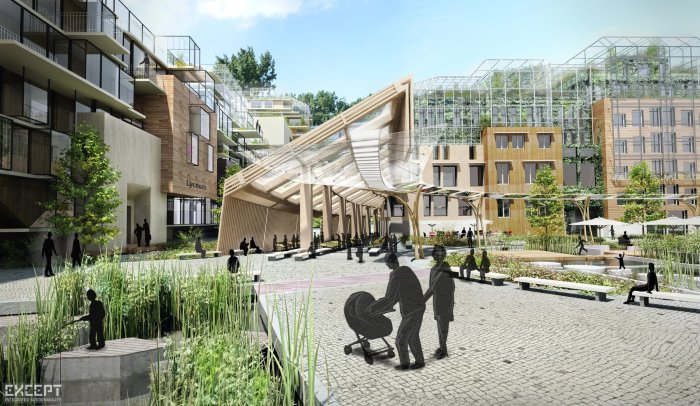
Incorporating green spaces in urban architecture is essential for creating sustainable and livable environments. These spaces not only enhance the aesthetic appeal of a city but also provide numerous benefits for the environment and the community.Urban greenery plays a crucial role in improving air quality by absorbing pollutants and releasing oxygen.
It also helps in regulating temperature, reducing urban heat island effect, and mitigating the impacts of climate change. Moreover, green spaces promote biodiversity by providing habitats for various plant and animal species, contributing to a healthier ecosystem.In terms of community well-being, green spaces offer opportunities for recreation, relaxation, and social interaction.
They create a sense of place, enhance mental health, and improve overall quality of life for residents. Additionally, green areas in urban settings can increase property values, attract tourism, and boost economic development.
Successful Urban Planning Projects Prioritizing Green Spaces
- High Line Park, New York City: Built on a historic freight rail line elevated above the streets on Manhattan's West Side, this linear park is a successful example of adaptive reuse and urban green space integration.
- Singapore's Gardens by the Bay: This iconic park combines innovative architecture with sustainable design elements, featuring unique green spaces, conservatories, and Supertree structures that showcase the city-state's commitment to urban sustainability.
- Bosco Verticale, Milan: These vertical forest towers are a striking example of incorporating greenery into high-rise buildings, providing a model for eco-friendly urban development and enhancing biodiversity in dense urban areas.
Closing Notes
In conclusion, the discussion on sustainable architecture solutions for urban areas paints a vivid picture of a future where sustainability and urban development walk hand in hand. From energy efficiency to green urban planning, the possibilities are endless for creating vibrant, environmentally conscious cities.
Essential Questionnaire
What are the key principles of sustainable architecture?
Sustainable architecture emphasizes reducing environmental impact, efficient use of resources, and creating healthy spaces for occupants.
How do green roofs contribute to energy efficiency in urban buildings?
Green roofs help insulate buildings, reduce heat absorption, and lower energy costs by providing natural cooling effects.
Why is urban greenery important in sustainable architecture?
Urban green spaces enhance air quality, support biodiversity, promote well-being, and mitigate the urban heat island effect.
Are sustainable materials more costly than traditional building materials?
Initially, sustainable materials may have a higher upfront cost, but they often prove to be cost-effective in the long run due to energy savings and durability.

