

Diving into the realm of Smart home architecture and automation design, this introduction aims to provide a comprehensive look at the key concepts and components that shape this innovative field. From defining smart home architecture to discussing the significance of automation design, readers will embark on a journey that delves deep into the intersection of technology and home living.
As we navigate through the different aspects of smart home architecture and automation design, a clearer picture will emerge of the possibilities and challenges that come with creating intelligent living spaces.
Introduction to Smart Home Architecture and Automation Design
Smart home architecture refers to the design and structure of residential buildings that incorporate advanced technologies to enhance the living experience. This includes the integration of various smart devices, sensors, and systems that can be controlled remotely or automatically.Automation design in smart homes involves the implementation of intelligent systems that can perform tasks and functions without the need for manual input.
This includes automated lighting, heating, security, entertainment, and other home functions that can be programmed and controlled through a centralized system or remotely via smartphones or voice commands.The importance of integrating architecture and automation for smart homes lies in creating a seamless and efficient living environment that enhances convenience, comfort, and security for homeowners.
By combining innovative architectural designs with automated systems, smart homes can optimize energy usage, improve safety and security, and provide personalized experiences tailored to the needs and preferences of residents.
Components of Smart Home Architecture
Smart home architecture comprises various key components that work together to create an efficient and interconnected system. Sensors and connectivity devices play a crucial role in enabling smart home automation and enhancing the overall user experience.
Sensors in Smart Home Architecture
Sensors are essential components of smart home architecture as they enable the detection of various environmental conditions and user activities. These sensors can include motion sensors, temperature sensors, light sensors, and more. By collecting data from the surroundings, sensors help automate tasks such as adjusting lighting, controlling heating and cooling systems, and enhancing security measures.
The information gathered by sensors is used to trigger specific actions within the smart home system, making it more responsive and adaptive to the needs of the occupants.
Connectivity Devices in Smart Home Design
Connectivity devices such as hubs, routers, and smart home controllers are vital for establishing communication between different smart devices within the home. These devices enable seamless connectivity and integration of various smart home components, allowing users to control and monitor their home remotely.
By connecting sensors, actuators, and other smart devices, connectivity devices form the backbone of a smart home system, ensuring smooth operation and efficient data exchange. Additionally, connectivity devices play a key role in enabling interoperability among different brands and types of smart devices, fostering a more cohesive and unified smart home ecosystem.
Automation Systems in Smart Homes
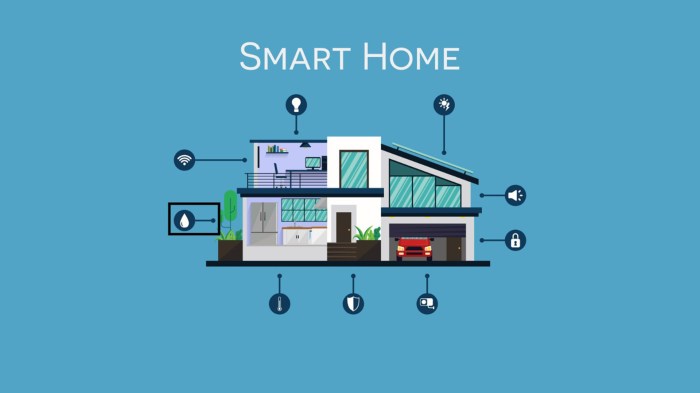
Smart homes utilize various automation systems to enhance convenience, efficiency, and security for homeowners. These systems can range from simple timers for lights to advanced integrated platforms that control multiple devices. Let's explore the different automation systems used in smart homes and the benefits they offer.
Wired vs. Wireless Automation Systems
In smart home architecture, automation systems can be categorized as either wired or wireless. Wired systems involve physical connections between devices through cables or wires, providing a stable and reliable network. On the other hand, wireless systems rely on radiofrequency signals to communicate between devices, offering flexibility and easy installation.
Here is a comparison between wired and wireless automation systems:
- Wired Automation Systems:
- Provide secure and stable connections.
- Less susceptible to interference.
- Require professional installation.
- Wireless Automation Systems:
- Offer easy scalability and flexibility.
- Simple DIY installation.
- May experience signal interference or range limitations.
Centralized Automation Control in Smart Home Designs
Centralized automation control is a key feature in smart home designs, allowing homeowners to manage multiple devices and systems from a single interface. This centralized control offers the following benefits:
- Convenience: Easily control various devices such as lighting, heating, security systems, and entertainment systems from one platform.
- Efficiency: Streamline operations and schedules for different devices, optimizing energy usage and enhancing overall efficiency.
- Enhanced Security: Monitor and control security systems, cameras, and access points centrally, improving home security and peace of mind.
Energy Efficiency and Sustainability in Smart Home Design
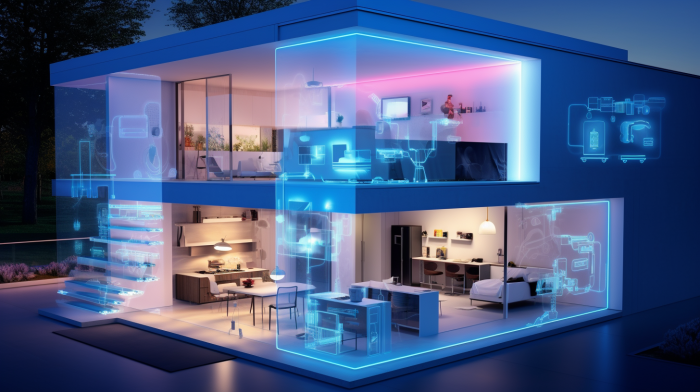
Energy efficiency and sustainability are crucial aspects of smart home design, as they not only reduce energy consumption but also contribute to a more environmentally friendly living space.
Incorporating Energy-Efficient Features
One of the key strategies for incorporating energy-efficient features in smart home architecture is to optimize insulation. By using high-quality insulation materials and ensuring proper sealing of windows and doors, the home can maintain a comfortable temperature without excessive energy usage.
Additionally, installing energy-efficient appliances, LED lighting, and smart thermostats can further reduce energy consumption.
Renewable Energy Sources
Renewable energy sources play a significant role in sustainable smart home design. Solar panels are a popular choice for generating electricity in smart homes, allowing homeowners to harness the power of the sun to meet their energy needs. Wind turbines and geothermal systems are also viable options for generating renewable energy on-site.
Sustainable Materials
When it comes to construction, using sustainable materials is essential for reducing the environmental impact of a smart home. Examples of sustainable materials include bamboo flooring, recycled glass countertops, and low-VOC paints. These materials are not only eco-friendly but also durable and energy-efficient, making them ideal for smart home construction.
Security and Privacy Considerations in Smart Home Automation
Smart home automation systems offer convenience and efficiency, but they also come with security risks that need to be addressed. As more devices are connected to the internet, the potential for cyber attacks and privacy breaches increases. It is crucial to implement robust security measures to protect smart home devices and networks.
Security Risks Associated with Smart Home Automation Systems
Smart home devices are vulnerable to hacking and unauthorized access, putting sensitive information at risk. Hackers can exploit security loopholes in devices or networks to gain control over smart home systems. This can lead to privacy violations, data theft, and even physical security threats.
Best Practices for Securing Smart Home Devices and Networks
- Change default passwords: Always set strong, unique passwords for smart home devices to prevent unauthorized access.
- Update firmware regularly: Keep devices up to date with the latest security patches to protect against known vulnerabilities.
- Secure your Wi-Fi network: Use strong encryption, enable network firewalls, and hide your network name (SSID) to prevent unauthorized access.
- Implement multi-factor authentication: Add an extra layer of security by requiring a second form of verification, such as a code sent to your phone, for device access.
Importance of Privacy Protection Measures in Smart Home Automation Design
Privacy protection is essential in smart home automation design to safeguard personal data and prevent unauthorized surveillance. Smart devices collect a vast amount of information about users' habits, preferences, and activities, making them prime targets for data harvesting and exploitation.
By implementing privacy protection measures, such as data encryption, user consent controls, and secure data storage, users can maintain control over their personal information and ensure confidentiality.
End of Discussion
In conclusion, Smart home architecture and automation design represent a promising frontier in the evolution of modern living spaces. By integrating cutting-edge technology with architectural principles, the potential for creating homes that are not just smart but also sustainable and secure is within reach.
As we embrace the future of home design, the possibilities are endless, and the only limit is our imagination.
Detailed FAQs
How can I ensure the security of my smart home automation system?
Ensure your devices have the latest security updates, use strong passwords, and set up a secure network for your smart home devices.
What are some examples of sustainable materials used in smart home construction?
Examples include bamboo flooring, recycled glass countertops, and reclaimed wood for furniture.
What is the role of sensors in smart home architecture?
Sensors play a crucial role in smart home architecture by collecting data on various aspects of the home environment to enable automation and enhance convenience.
Can smart home automation systems be controlled remotely?
Yes, many smart home automation systems offer remote control capabilities through smartphone apps or web interfaces.

