

Embark on a journey through the realms of interior and exterior architecture design tips, where creativity meets functionality to transform living spaces into works of art. From selecting color schemes to integrating sustainable practices, this guide will inspire you to reimagine your surroundings in a whole new light.
As we delve deeper into the intricacies of design principles, you'll uncover a wealth of knowledge that promises to elevate your understanding of creating harmonious interiors and captivating exteriors.
Interior Design Tips
When it comes to interior design, there are several factors to consider in order to create a cohesive and visually appealing space. From choosing the right color schemes to optimizing space, every detail plays a crucial role in the overall design.
Choosing Color Schemes
Color schemes are a fundamental aspect of interior design as they set the mood and tone of a space. When selecting colors, consider the purpose of the room and the emotions you want to evoke. For example, cool tones like blues and greens create a calming atmosphere, while warm tones like reds and oranges add energy and warmth to a room.
Importance of Lighting
Lighting is key in interior design as it can make or break the ambiance of a room. Natural light is always the best option, so try to maximize it by using sheer curtains or mirrors to reflect light. Additionally, incorporate a mix of ambient, task, and accent lighting to create layers and add depth to the space.
Optimizing Space in Small Interiors
Small spaces can still feel spacious and functional with the right design techniques. Utilize multifunctional furniture like storage ottomans or wall-mounted shelves to maximize storage without taking up valuable floor space. Additionally, using light colors and minimalistic decor can help create the illusion of a larger room.
Role of Textures
Textures play a significant role in adding visual interest and depth to a room. Mix different textures like plush rugs, velvet pillows, and sleek metal finishes to create a dynamic and inviting space. Remember to balance textures throughout the room to maintain harmony and cohesion in the design.
Exterior Design Tips
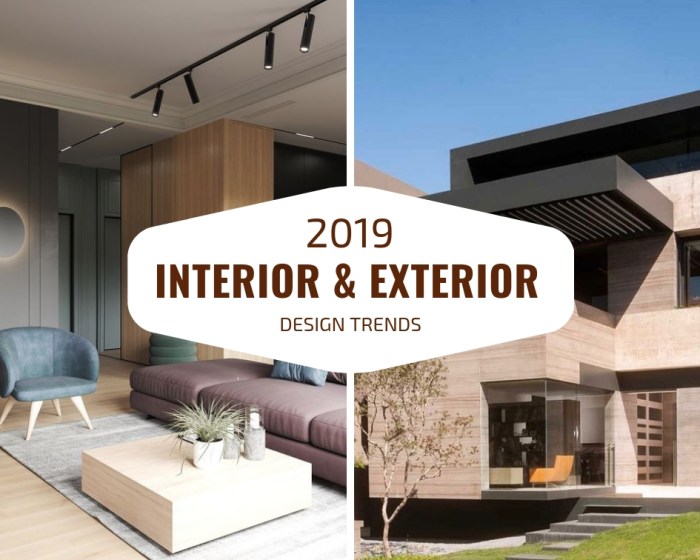
When it comes to exterior design, the landscaping plays a crucial role in enhancing the overall look and feel of a building. The choice of plants, trees, and outdoor elements can greatly impact the aesthetics of the architecture.
Impact of Landscaping on Exterior Architecture Design
- Well-manicured lawns, colorful flower beds, and strategically placed trees can soften the harsh lines of a building and create a welcoming atmosphere.
- Consider the scale and proportion of the landscaping elements in relation to the architecture to ensure a harmonious balance.
- Using native plants and sustainable landscaping practices can not only enhance the design but also promote environmental sustainability.
Use of Materials in Exterior Design
- Wood can add warmth and texture to the exterior, creating a natural and inviting feel.
- Metal elements, such as railings or decorative accents, can provide a modern and sleek look to the design.
- Glass can be used to bring in natural light and create a seamless connection between indoor and outdoor spaces.
Creating a Cohesive Exterior Color Palette
- Choose a color scheme that complements the architectural style of the building and blends well with the surroundings.
- Consider the existing landscape and neighboring buildings when selecting colors to ensure a cohesive look.
- Use a combination of main colors, accent colors, and trim colors to create visual interest and depth in the design.
Incorporating Architectural Elements in Exterior Design
- Columns can add elegance and grandeur to the facade, creating a sense of strength and stability.
- Arches can provide architectural interest and help frame views or entrances, adding a touch of sophistication to the design.
- Balance the use of architectural elements with the overall design to avoid overwhelming the exterior with too many details.
Furniture Selection
When it comes to interior design, selecting the right furniture is crucial in bringing a space together. The furniture you choose should complement the overall style of the room while also considering factors like scale, proportion, and functionality
Guidelines for Choosing Furniture
- Consider the overall style of the room - Whether you have a modern, traditional, or eclectic design, choose furniture pieces that align with the aesthetic of the space.
- Pay attention to scale and proportion - Ensure that the size of the furniture fits the room and that pieces are proportional to each other to create a balanced look.
- Think about functionality - Select furniture that not only looks good but also serves a purpose and enhances the usability of the space.
Mixing Different Furniture Styles
- Choose a unifying element - To mix different furniture styles harmoniously, find a common thread such as color, material, or shape that ties the pieces together.
- Experiment with contrast - Don't be afraid to mix contrasting styles to create visual interest and add personality to the room.
- Layer textures and patterns - Incorporating a variety of textures and patterns can help blend different furniture styles seamlessly.
Arranging Furniture for Flow and Functionality
- Create functional zones - Divide the space into different functional areas and arrange furniture accordingly to optimize flow and usability.
- Consider traffic flow - Ensure there is enough space for easy movement around furniture pieces to prevent the space from feeling cramped.
- Focal points - Arrange furniture around focal points like a fireplace or a piece of art to create a cohesive and visually appealing layout.
Sustainable Design Practices
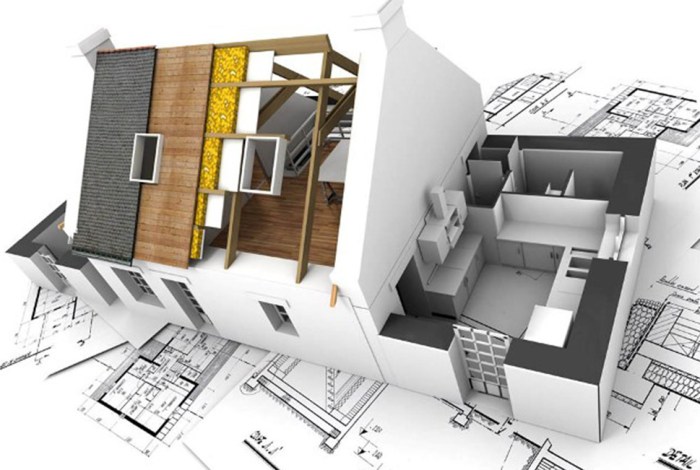
In today's world, sustainable design practices have become increasingly important in interior and exterior architecture. By incorporating eco-friendly materials and energy-efficient designs, we can reduce our environmental impact and create healthier living spaces for occupants.When it comes to sustainable materials, using products that are renewable, recycled, or locally sourced can significantly decrease the carbon footprint of a building.
Materials such as bamboo, reclaimed wood, and recycled glass are excellent choices for sustainable interior and exterior design.
Incorporating Energy-Efficient Designs
- Utilize high-performance insulation to reduce heating and cooling energy consumption.
- Install energy-efficient windows and doors to minimize heat loss and gain.
- Use programmable thermostats and LED lighting to save on electricity usage.
Utilizing Natural Light and Ventilation
- Maximize natural light by incorporating large windows and skylights in your design.
- Strategically place trees and shrubs to provide shade and reduce the need for air conditioning.
- Implement cross ventilation to improve air circulation and reduce the reliance on mechanical cooling systems.
Eco-Friendly Design Elements
- Consider adding green roofs to reduce stormwater runoff and provide insulation.
- Install rainwater harvesting systems to collect and reuse water for landscaping or flushing toilets.
- Incorporate solar panels to generate renewable energy and reduce reliance on the grid.
Final Summary
In conclusion, the fusion of interior and exterior architecture design tips opens doors to endless possibilities for crafting spaces that resonate with style and purpose. By embracing these insights, you're empowered to shape environments that not only reflect your vision but also enhance the quality of everyday living.
FAQ Section
How important is lighting in interior design?
Lighting plays a crucial role in setting the ambiance and mood of a space, highlighting architectural features, and enhancing overall aesthetics.
What are some tips for creating a cohesive exterior color palette?
To achieve a cohesive look, consider the architectural style of your home, surrounding landscape, and the use of complementary or contrasting colors to establish a harmonious palette.
Why is furniture scale and proportion important in interior design?
Scale and proportion ensure that furniture pieces fit harmoniously within a space, creating visual balance and a sense of unity.
How can eco-friendly design elements be incorporated into interior and exterior architecture?
By utilizing sustainable materials, energy-efficient designs, and eco-conscious practices like natural light utilization and rainwater harvesting systems.

