

Delving into the realm of siding materials, this exploration focuses on the comparison between wood, metal, and composite siding. Offering a unique perspective on each material's characteristics, durability, and maintenance requirements, this discussion aims to shed light on the best choice for your building needs.
As we delve deeper into the specifics of wood, metal, and composite siding, you'll gain valuable insights into the pros and cons of each material, helping you make an informed decision for your next project.
Wood Siding
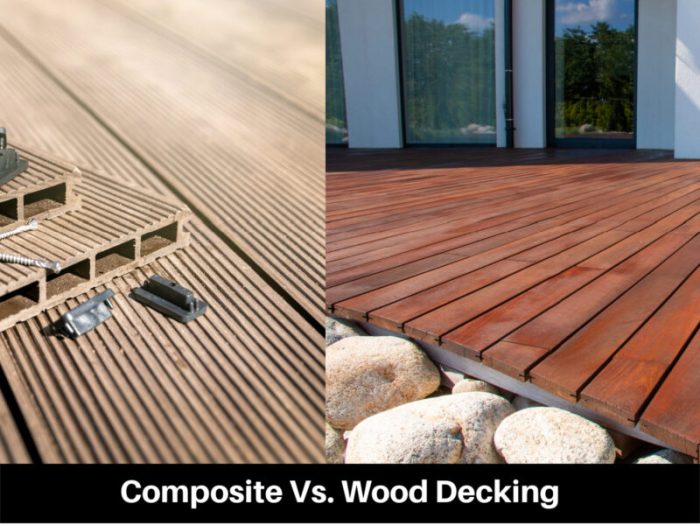
Wood siding is a popular choice for homeowners due to its natural beauty and timeless appeal. It adds warmth and character to a home's exterior, creating a cozy and inviting look.
Characteristics of Wood Siding
- Natural and traditional appearance
- Can be easily painted or stained to change the color
- Offers good insulation properties
- Sustainable and environmentally friendly option
Durability Compared to Metal and Composite Siding
Wood siding is durable but requires more maintenance compared to metal and composite siding. It can last for decades if well-maintained, but it is more susceptible to rot, insects, and moisture damage over time. Metal siding is extremely durable and resistant to pests and rot, while composite siding is also highly durable and low-maintenance.
Maintenance Requirements
- Regular painting or staining to protect against the elements
- Periodic inspections for signs of damage or rot
- Applying sealant to prevent moisture infiltration
- Repairing or replacing damaged boards promptly
Metal Siding
Metal siding is a popular choice for many builders and homeowners due to its durability, low maintenance requirements, and modern aesthetic appeal. Let's explore the benefits, cost-effectiveness, and environmental impact of using metal siding in construction.
Benefits of Metal Siding
Metal siding offers several advantages over other types of siding materials:
- Longevity: Metal siding is highly durable and can last for decades without needing replacement.
- Low maintenance: Metal siding requires minimal upkeep, saving time and money in the long run.
- Fire resistance: Metal siding is non-combustible, providing an added layer of protection for the building.
- Weathertight: Metal siding is resistant to extreme weather conditions, including wind, rain, and snow.
Cost-Effectiveness of Metal Siding
When comparing the cost of metal siding with wood and composite siding, metal siding may have a higher upfront cost but proves to be more cost-effective over time due to its longevity and low maintenance requirements. While wood siding may require regular painting or staining and composite siding may need periodic repairs, metal siding stands out for its durability and minimal upkeep, resulting in potential savings in maintenance and replacement costs in the long term.
Environmental Impact of Metal Siding
Metal siding is a sustainable choice for construction projects as it is often made from recycled materials and is fully recyclable at the end of its lifespan. Additionally, metal siding can help improve energy efficiency by reflecting sunlight and reducing heat absorption, contributing to lower energy consumption for cooling the building.
Composite Siding
Composite siding is a type of exterior cladding made from a combination of materials such as wood fibers, plastic, and resin. It is manufactured through a process of compressing these materials together to create a durable and weather-resistant product.
Insulation Properties
Composite siding typically offers better insulation properties compared to metal siding, but may not be as insulating as wood siding. The added layers of materials in composite siding can provide some thermal resistance, helping to regulate indoor temperatures and potentially reduce energy costs.
Color Options
Composite siding comes in a wide range of color options, often mimicking the look of natural wood or offering bold and modern finishes. This variety allows homeowners to choose a color that suits their style preferences and complements the overall aesthetic of their home.
In comparison, wood siding can be painted or stained in various colors, while metal siding may have more limited color choices.
Ending Remarks
In conclusion, the comparison between wood, metal, and composite siding highlights the importance of considering factors such as durability, cost-effectiveness, and environmental impact. Whether you prioritize aesthetics, longevity, or sustainability, this analysis equips you with the knowledge to choose the ideal siding material for your construction or renovation project.
FAQ Compilation
What are the main differences between wood, metal, and composite siding?
Wood siding offers a traditional look but requires more maintenance, while metal siding is durable and cost-effective, and composite siding combines the benefits of both materials.
Which siding material is the most environmentally friendly?
Composite siding is often considered the most environmentally friendly option due to its use of recycled materials and energy-efficient manufacturing processes.
Is metal siding more expensive than wood and composite siding?
While metal siding may have a higher upfront cost, its durability and low maintenance requirements can make it a cost-effective choice in the long run.

