

Exploring the realm of architecture project management tools comparison, this introduction sets the stage for a deep dive into the key aspects of various tools. From features to user feedback, this overview aims to provide valuable insights for those navigating the landscape of project management in architecture.
As we unravel the intricacies of different tools and their suitability for architecture projects, readers will gain a nuanced understanding of the options available in the market.
Tools Overview
Architecture project management tools are essential software solutions designed to help architects, project managers, and other stakeholders efficiently plan, execute, and monitor architectural projects. These tools offer a wide range of features to streamline project management processes, enhance collaboration, and improve overall project outcomes.
Key Features of Architecture Project Management Tools:
- Task Management: Allows users to create and assign tasks, set deadlines, and track progress.
- Document Management: Provides a centralized repository for storing and sharing project documents, drawings, and other files.
- Collaboration Tools: Facilitates communication and collaboration among team members through chat, comments, and file sharing.
- Budgeting and Cost Tracking: Helps in creating project budgets, tracking expenses, and managing costs throughout the project lifecycle.
- Resource Management: Enables efficient allocation of resources, such as manpower and materials, to different project tasks.
Cloud-Based vs. On-Premise Tools for Architecture Project Management:
Cloud-based architecture project management tools are hosted on remote servers and accessed through web browsers, offering flexibility, scalability, and accessibility from anywhere with an internet connection. On the other hand, on-premise tools are installed locally on the user's hardware, providing greater control over data security and customization but requiring maintenance and upgrades.
Popular Tools Comparison
When it comes to architecture project management, having the right tools can make all the difference in ensuring smooth workflow and successful project delivery. Let's compare and contrast some popular project management tools like Trello, Asana, and Monday.com to see how they cater to the specific needs of architecture projects.
Trello
Trello is known for its visual approach to project management, making it easy to create boards, lists, and cards to organize tasks and collaborate with team members. Some unique features of Trello that are beneficial for architecture projects include:
- Customizable boards for organizing different phases of a project such as design, construction, and review.
- Integration with tools like SketchUp or AutoCAD for seamless file sharing and collaboration.
- Ability to add checklists, due dates, and labels to tasks for better task management and tracking.
User reviews praise Trello for its user-friendly interface and flexibility in adapting to various project requirements.
Asana
Asana is a versatile project management tool that offers features like task assignments, timelines, and progress tracking. For architecture projects, Asana stands out with:
- Portfolio view for tracking multiple projects and their progress simultaneously.
- Dependency tracking to ensure tasks are completed in the correct order for project success.
- Integration with software like Revit or BIM 360 for seamless collaboration and file management.
Users appreciate Asana for its robust task management capabilities and ability to streamline complex projects.
Monday.com
Monday.com is known for its customizable workflows and visual project tracking features. When it comes to architecture projects, Monday.com offers:
- Customizable dashboards for tracking project milestones, budgets, and timelines in one centralized location.
- Automations to streamline repetitive tasks and keep project workflows efficient.
- Integration with tools like Rhino or ArchiCAD for seamless communication and file sharing.
Feedback on Monday.com highlights its intuitive interface and adaptability to different project management methodologies.
Customization and Integration
Customization and integration play a crucial role in enhancing the efficiency of architecture project management tools. Let's explore the customization options available in these tools and how they can integrate with other software commonly used in architecture firms.
Customization Options
- Customizable Dashboards: Many project management tools offer customizable dashboards where users can arrange and display project information based on their preferences. This allows for a personalized view of the project status and progress.
- Task Customization: Users can often customize tasks with specific details, deadlines, and priorities to tailor them to the project's unique requirements.
- Template Customization: Tools that provide customizable templates enable users to create project templates that suit their specific project needs, saving time and ensuring consistency across projects.
Integration with Other Software
- Integration with BIM Software: Architecture project management tools can integrate with Building Information Modeling (BIM) software such as Revit or AutoCAD, allowing for seamless data exchange and collaboration between project management and design teams.
- Collaboration Tools Integration: Many project management tools integrate with collaboration platforms like Slack, Microsoft Teams, or Asana, facilitating communication and file sharing among team members.
- Financial Software Integration: Some tools offer integration with financial software like QuickBooks or Xero for easy invoicing, budget tracking, and financial reporting within the project management system.
Enhancing Project Management Efficiency
- Streamlined Communication: Integration with collaboration tools enhances communication among team members, reducing the need for constant email exchanges and ensuring timely updates on project progress.
- Improved Data Accuracy: By integrating project management tools with BIM software, project data remains consistent across platforms, reducing errors and enhancing data accuracy.
- Efficient Resource Management: Customizable dashboards and templates help in efficiently allocating resources, tracking project milestones, and ensuring that projects stay on schedule and within budget.
Collaboration and Communication
Effective collaboration and communication are crucial components in the success of architecture project management. Let's delve into the collaboration features and communication tools offered by various architecture project management tools.
Collaboration Features
- Real-time collaboration: Many tools offer real-time collaboration features, allowing team members to work on the same project simultaneously.
- File sharing: Platforms often provide the ability to share documents, drawings, and other project files with team members easily.
- Task assignment and tracking: Tools allow project managers to assign tasks to team members and track progress in real-time.
- Commenting and feedback: Collaboration tools usually include features for team members to leave comments, provide feedback, and communicate efficiently.
Communication Tools
- Chat and messaging: Many project management tools offer built-in chat and messaging functionalities, enabling team members to communicate instantly.
- Video conferencing: Some platforms integrate video conferencing tools for virtual meetings and discussions among team members.
- Notifications and alerts: Tools provide notifications and alerts to keep team members informed about project updates, deadlines, and changes.
- Email integration: Some tools allow for seamless integration with email platforms for easy communication within the project management tool.
Streamlining Project Workflows
Effective collaboration and communication tools play a vital role in streamlining project workflows by fostering better coordination, information sharing, and decision-making among team members. By utilizing these features, project teams can enhance productivity, reduce errors, and ensure project milestones are met efficiently.
Cost and Scalability
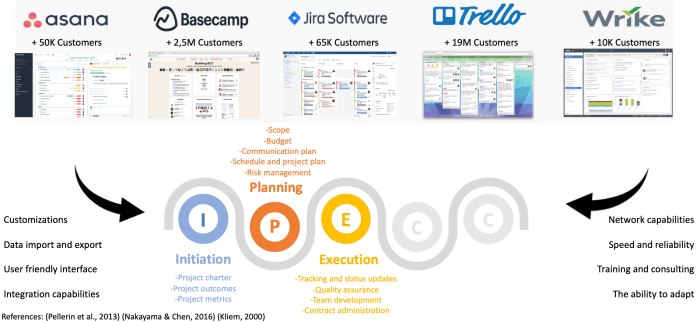
When it comes to choosing an architecture project management tool, considering the cost and scalability options is crucial for architecture firms. Understanding the cost structures and scalability features of different tools can greatly impact the overall effectiveness and efficiency of project management.
Cost Structures
- Some architecture project management tools offer a subscription-based pricing model, where users pay a monthly or annual fee to access the software.
- Other tools may have a one-time licensing fee, which allows users to use the software indefinitely after the initial purchase.
- Additional costs to consider may include training, implementation, and support services, which can vary depending on the tool and provider.
Scalability Options
- Scalability in architecture project management tools refers to the ability of the software to handle larger and more complex projects as the firm grows.
- Look for tools that offer features like customizable workflows, task dependencies, and resource allocation to support scalability as projects become more intricate.
- Consider whether the tool can accommodate a growing team and increasing project demands without compromising performance or functionality.
Impact on Tool Selection
- The cost and scalability considerations play a significant role in the selection of an architecture project management tool.
- Architecture firms should assess their budget constraints and long-term growth plans to determine which tool aligns best with their needs.
- Choosing a tool that offers a balance between cost-effectiveness and scalability can ensure that the firm can effectively manage projects of varying sizes and complexities without overspending.
Wrap-Up
In conclusion, the discussion on architecture project management tools comparison sheds light on the diverse functionalities, customization possibilities, collaboration features, and cost considerations. By weighing these factors, architecture firms can make informed decisions to optimize their project management processes.
Popular Questions
How do cloud-based and on-premise tools differ in architecture project management?
Cloud-based tools offer the advantage of accessibility from anywhere with an internet connection, while on-premise tools provide greater control over data security and customization.
Which architecture project management tool is best for small-scale projects?
Trello is often favored for small-scale projects due to its simplicity and ease of use.
Can architecture project management tools integrate with software like AutoCAD?
Yes, many tools offer integration capabilities with software like AutoCAD to streamline workflows.

