

Embarking on the journey of finding the best siding for coastal homes that can withstand moisture challenges is crucial for homeowners looking to protect their properties. From durability to maintenance, each siding material plays a vital role in preserving the aesthetics and integrity of coastal residences.
Let's delve into the realm of moisture-resistant siding options tailored for coastal living.
Types of siding materials suitable for coastal homes
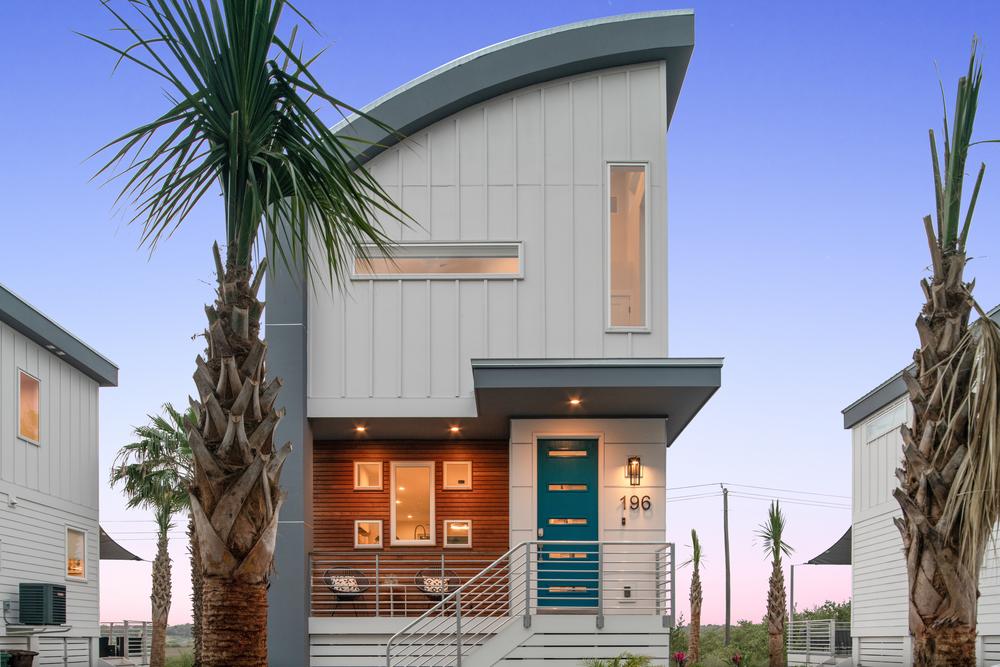
Living by the coast comes with its own set of challenges, especially when it comes to selecting the right siding material for your home. Here are some siding materials known for their moisture resistance:
Vinyl Siding
Vinyl siding is a popular choice for coastal homes due to its low maintenance and durability. It is resistant to moisture, salt, and sand, making it ideal for homes near the ocean. However, vinyl siding may not have the same aesthetic appeal as other materials like wood.
Fiber Cement Siding
Fiber cement siding is another excellent option for coastal homes. It is resistant to moisture, rot, and insects, making it a long-lasting choice. Fiber cement siding can mimic the look of wood without the same maintenance requirements, making it a practical and visually appealing option.
Cedar Siding
Cedar siding is a natural choice for coastal homes, as cedar wood is naturally resistant to moisture and decay. It gives homes a warm, rustic look that complements the coastal environment. However, cedar siding requires regular maintenance to prevent weathering and decay over time.
Composite Siding
Composite siding is a blend of wood fibers and resin, offering the look of wood with enhanced durability and moisture resistance. It is a great option for coastal homes looking for a low-maintenance siding solution that still provides the aesthetic appeal of natural wood.
Considerations when choosing siding for coastal properties
When selecting siding for coastal properties, it is crucial to consider the unique challenges posed by the coastal environment. Factors such as saltwater exposure, moisture resistance, and wind resistance play a significant role in determining the best siding materials for these homes.Exposure to saltwater can have a detrimental effect on siding materials, causing them to deteriorate more quickly than in other environments.
Saltwater can lead to corrosion, discoloration, and overall degradation of the siding. Therefore, it is important to choose siding materials that are specifically designed to withstand saltwater exposure.Moisture resistance is another key consideration when choosing siding for coastal homes. Coastal climates often experience high levels of humidity and precipitation, which can lead to mold, mildew, and rot if the siding is not adequately moisture resistant.
Opting for siding materials that are waterproof and resistant to moisture damage can help prolong the lifespan of the siding and protect the structure of the home.In addition to saltwater exposure and moisture resistance, wind resistance is also an important factor to consider when selecting siding for coastal properties.
Coastal areas are prone to strong winds, especially during storms and hurricanes. Choosing siding materials that are able to withstand high winds and extreme weather conditions is essential to ensure the durability and stability of the home.
Siding Materials with High Wind Resistance
When it comes to wind resistance, fiber cement siding and engineered wood siding are excellent choices for coastal properties. These materials are known for their durability and ability to withstand strong winds. Fiber cement siding, in particular, has a high impact resistance and is less likely to warp or crack in windy conditions.
Engineered wood siding is also a popular option due to its strength and stability in high wind areas.
Importance of Moisture Resistance in Coastal Climates
Vinyl siding and metal siding are top choices for coastal homes due to their excellent moisture resistance properties. Vinyl siding is waterproof and does not absorb moisture, making it resistant to mold and mildew. Metal siding, such as aluminum or steel, is also highly resistant to moisture and corrosion, making it a great option for coastal properties where moisture levels are high.
Impact of Saltwater Exposure on Siding Materials
For saltwater exposure, materials like cedar wood siding and composite siding are good options. Cedar wood is naturally resistant to rot and decay, making it a suitable choice for coastal homes facing saltwater exposure. Composite siding, made from a mix of wood fibers and recycled plastic, is also resistant to saltwater damage and offers a low-maintenance solution for coastal properties.
Maintenance tips for moisture-resistant siding
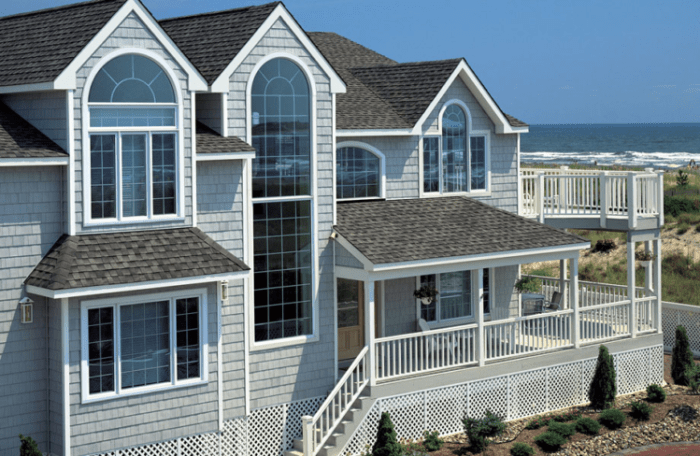
Proper maintenance is essential to ensure the longevity and effectiveness of moisture-resistant siding in a coastal environment. Below are some key tips to help you care for your siding and prevent issues like mold, mildew, and water damage.
Regular Inspections
- Inspect your siding at least twice a year, ideally in the spring and fall, to check for any signs of damage or wear.
- Look for cracks, peeling paint, or discoloration, as these could indicate underlying moisture issues.
- Check for any gaps or openings where water could seep in and cause damage.
Cleaning and Maintenance
- Regularly clean your siding with a mild detergent and water to remove dirt, salt, and other debris that can accumulate over time.
- Use a soft brush or cloth to scrub the surface gently and avoid harsh chemicals that could damage the siding.
- Rinse thoroughly with clean water to ensure all soap residue is removed.
Preventing Mold and Mildew
- Monitor areas of your siding that are shaded or prone to moisture buildup, as these are more susceptible to mold and mildew growth.
- Use a mold and mildew cleaner specifically formulated for siding to prevent and remove any growth.
- Trim back trees or shrubs that may be blocking sunlight and airflow to reduce moisture retention on the siding.
Addressing Water Damage
- Act quickly to repair any damaged or deteriorating areas of your siding to prevent water from seeping into the structure of your home.
- Replace any damaged panels or sections of siding to maintain the integrity of the moisture-resistant barrier.
- Ensure that your gutters and downspouts are clear and functioning properly to divert water away from the siding.
Cost considerations and budgeting for coastal siding
When it comes to choosing siding for coastal properties, cost considerations play a crucial role in the decision-making process. Homeowners need to not only look at the initial costs of different moisture-resistant siding materials but also consider the long-term cost implications, including maintenance and repairs.
Effective budgeting is essential to ensure that the siding chosen can withstand the harsh coastal conditions without breaking the bank.
Comparing initial costs of moisture-resistant siding materials
- Vinyl siding: Vinyl siding is often the most affordable option for coastal homes. It is low maintenance and durable, making it a cost-effective choice for many homeowners.
- Fiber cement siding: While fiber cement siding has a higher initial cost compared to vinyl, it offers excellent durability and resistance to moisture, making it a worthwhile investment in the long run.
- Cedar siding: Cedar siding is a more expensive option upfront but provides a beautiful and natural look to coastal homes. It requires regular maintenance to prevent moisture damage, which can add to the overall cost over time.
Long-term cost implications
- Regular maintenance: Proper maintenance is essential to prolong the lifespan of the siding and prevent costly repairs. This includes cleaning, repainting, and sealing to protect the siding from moisture and salt exposure.
- Repairs and replacements: Coastal homes are more susceptible to damage from salt, wind, and moisture, which may lead to the need for repairs or even replacement of siding materials. Budgeting for these potential costs is crucial for coastal homeowners.
Tips for effective budgeting
- Plan for regular maintenance: Allocate a portion of your budget for annual maintenance tasks to keep your siding in top condition and prevent costly repairs down the line.
- Consider the total cost of ownership: Look beyond the initial installation costs and factor in long-term maintenance, repairs, and replacements when budgeting for coastal siding.
- Get multiple quotes: Shop around and compare quotes from different siding contractors to ensure you are getting the best value for your money without compromising on quality.
End of Discussion
In conclusion, selecting the best siding for coastal homes (moisture resistant) involves a careful balance of durability, maintenance, and aesthetic appeal. By understanding the impact of saltwater exposure, importance of moisture resistance, and role of wind resistance, homeowners can make informed decisions to safeguard their coastal properties.
With proper maintenance tips and cost considerations in mind, maintaining a beautiful and resilient coastal home is within reach.
General Inquiries
What are the best siding materials for coastal homes?
Commonly recommended siding materials for coastal homes include fiber cement, vinyl, and engineered wood, known for their exceptional moisture resistance.
How often should I inspect and maintain moisture-resistant siding?
Regular inspections every 6-12 months are recommended, along with cleaning and maintenance tasks as needed to prevent mold, mildew, and water damage.
Is budgeting for coastal siding different from regular siding?
Yes, budgeting for coastal siding should consider the initial costs of moisture-resistant materials, long-term maintenance implications, and potential repairs due to harsh coastal conditions.

