

Exploring the latest trends in exterior siding materials and designs in the US and Europe sheds light on the differences and similarities between these regions. From traditional choices to modern innovations, this discussion will delve into the factors shaping the exterior aesthetics of homes on both continents.
Exterior siding materials in the US and Europe
In both the US and Europe, exterior siding materials play a crucial role in protecting buildings from the elements while also enhancing their aesthetic appeal.
Popular Siding Materials in the US and Europe
In the US, popular siding materials include vinyl, fiber cement, wood, and brick. Vinyl siding is widely used for its affordability and low maintenance, while fiber cement is known for its durability and versatility. Wood siding provides a natural and timeless look, and brick siding offers a classic and elegant appearance.In Europe, traditional siding materials such as stucco, stone, and timber are commonly used.
Stucco is popular in Mediterranean regions for its durability and ability to regulate temperature, while stone siding is preferred for its strength and natural beauty. Timber siding, especially in Scandinavian countries, is valued for its sustainability and rustic charm.
Factors Influencing Material Choices in Exterior Siding
The choice of siding material is influenced by various factors such as climate, architectural style, budget, and maintenance requirements. In the US, the preference for vinyl siding can be attributed to its cost-effectiveness and ease of installation, making it a popular choice for homeowners on a budget.
On the other hand, European countries with a rich architectural heritage often opt for traditional materials like stucco and stone to maintain the authenticity of historical buildings.Overall, the selection of exterior siding materials in the US and Europe is a blend of practical considerations, cultural influences, and design preferences that contribute to the unique character of buildings in each region.
Design trends in exterior siding
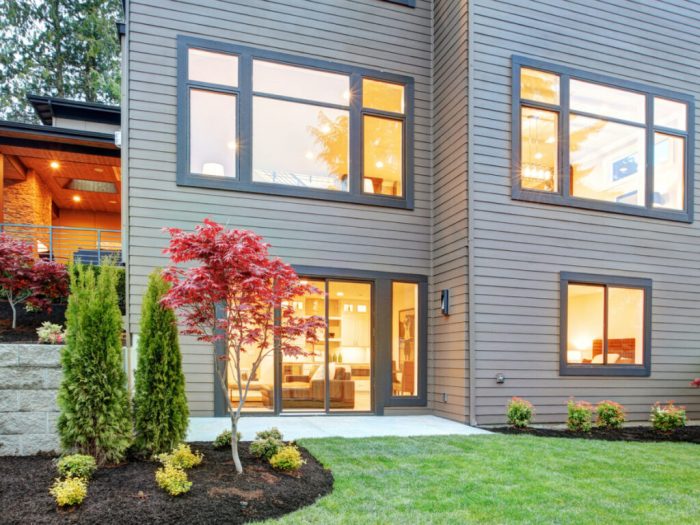
In both the US and Europe, modern design trends in exterior siding are influenced by a combination of architectural styles, environmental concerns, and technological advancements. These trends shape the way buildings look and function, reflecting the unique aesthetic preferences and practical needs of each region.
Architectural Styles Impacting Siding Design
In the US, traditional architectural styles such as Colonial, Craftsman, and Victorian have influenced siding designs that emphasize symmetry, detailed trim work, and a mix of materials like wood, vinyl, and fiber cement. On the other hand, Europe showcases a variety of architectural styles from historic to contemporary, leading to siding designs that range from sleek and minimalistic to ornate and intricate.
Innovative Siding Designs
- Vertical Siding: Vertical siding has gained popularity in both the US and Europe for its modern and unique look. It can create a sense of height and visual interest, especially when paired with contrasting colors.
- Mixed Materials: Mixing different siding materials like wood, metal, and stone can add texture and depth to the exterior of a building. This trend is seen across both regions as a way to create a dynamic and visually appealing facade.
- Shou Sugi Ban: This Japanese technique of charring wood to increase its durability and enhance its natural beauty has become a popular choice for siding in contemporary designs. It provides a striking contrast and a sense of sustainability to the overall look.
- Green Walls: Living walls covered in vegetation are being integrated into exterior siding designs as a way to improve insulation, air quality, and aesthetics. This eco-friendly trend is gaining traction in urban areas in both the US and Europe.
Sustainability and eco-friendly siding options
When it comes to choosing exterior siding, sustainability is becoming increasingly important. Homeowners are now looking for eco-friendly options that not only enhance the aesthetic appeal of their homes but also minimize the environmental impact.
Eco-friendly siding materials
There are several eco-friendly siding materials that are trending in both the US and Europe:
- Bamboo Siding: Bamboo is a fast-growing renewable resource that is durable and aesthetically pleasing, making it a popular choice for eco-conscious homeowners.
- Recycled Vinyl: Vinyl siding made from recycled materials helps reduce waste and energy consumption, making it a sustainable option for exterior cladding.
- Cork Siding: Cork is a natural and renewable material that offers excellent insulation properties, making it an eco-friendly choice for siding.
Sustainable installation practices
Installing eco-friendly siding involves more than just choosing the right materials. Sustainable practices are also crucial in ensuring a minimal environmental impact:
- Proper Insulation: Good insulation helps reduce energy consumption and ensures the home stays comfortable, reducing the need for excessive heating or cooling.
- Efficient Installation Techniques: Using efficient installation techniques not only saves time and labor costs but also minimizes waste and environmental impact.
- Recycling and Disposal: Proper disposal of old siding materials and recycling whenever possible are essential steps in maintaining sustainability throughout the installation process.
Maintenance considerations for exterior siding
Maintaining exterior siding is crucial to preserving the beauty and integrity of your home. Different siding materials require varying levels of maintenance, so it's essential to understand the specific needs of each option. Let's delve into the maintenance requirements for different siding materials and compare popular choices in the US and Europe, along with providing some tips for homeowners.
Maintenance requirements for different siding materials
- Vinyl Siding: Vinyl siding is relatively low maintenance, requiring occasional cleaning with a mild detergent and water. Inspect for any cracks or damage that may need repair.
- Fiber Cement Siding: Fiber cement siding needs to be repainted every 5-10 years to maintain its appearance. Regular inspections for moisture damage and caulking any gaps are essential.
- Wood Siding: Wood siding requires regular painting or staining every 3-7 years, along with checking for rot, mold, and insect damage. Proper sealing and maintenance of wood siding are crucial to prevent deterioration.
- Brick Siding: Brick siding is durable but may require occasional cleaning and mortar repair. Inspect for any cracks or damage that may affect the structural integrity.
Comparison of maintenance needs for popular siding options in the US and Europe
| Siding Material | US Maintenance Needs | Europe Maintenance Needs |
|---|---|---|
| Vinyl | Regular cleaning and inspection for damage | Similar maintenance requirements |
| Fiber Cement | Repainting every 5-10 years | Repainting every 7-15 years |
| Wood | Regular painting or staining every 3-7 years | Similar maintenance requirements |
| Brick | Occasional cleaning and mortar repair | Similar maintenance requirements |
Tips for homeowners on maintaining their exterior siding
- Regularly inspect your siding for any signs of damage, such as cracks, rot, or mold.
- Clean your siding at least once a year to remove dirt, debris, and mildew build-up.
- Address any issues promptly to prevent further damage and costly repairs in the future.
- Consider hiring professionals for more extensive maintenance tasks, such as repainting or repairs.
Final Review
In conclusion, the diverse landscape of exterior siding trends in the US and Europe offers a glimpse into the evolving preferences and priorities of homeowners in different parts of the world. From sustainability to maintenance considerations, the choices are vast and varied, reflecting the rich tapestry of architectural styles present today.
General Inquiries
What are some popular siding materials used in Europe?
In Europe, popular siding materials include wood, brick, and stucco, reflecting traditional architectural influences.
How important is sustainability when choosing exterior siding?
Sustainability is crucial as it impacts the environment and long-term maintenance costs of a home.
What are some innovative siding designs in the US?
Examples of innovative siding designs in the US include metal panels and fiber cement boards that offer a modern aesthetic.

