

As Fire-resistant siding materials for homes in dry zones takes center stage, this guide beckons readers into a world crafted with good knowledge. It ensures a reading experience that is absorbing and distinctly original.
When it comes to protecting homes in dry regions from potential fire hazards, choosing the right siding materials is crucial. Let's explore the different types, factors to consider, installation techniques, and maintenance tips for fire-resistant siding.
Types of Fire-Resistant Siding Materials
Fire-resistant siding materials are crucial for homes located in dry zones where the risk of wildfires is high. Here are some types of fire-resistant siding materials along with their advantages, disadvantages, and real-life applications:
Fiber Cement Siding
Fiber cement siding is a popular choice for its fire-resistant properties. It is made from a combination of cement, sand, and cellulose fibers, making it non-combustible. Fiber cement siding is durable, low maintenance, and comes in a variety of styles that mimic wood or stucco.
However, it can be heavy and challenging to install. Real-life applications include homes in wildfire-prone areas like California and Australia.
Metal Siding
Metal siding, such as steel or aluminum, is another fire-resistant option for homes in dry zones. Metal siding is non-combustible, durable, and low maintenance. It is also resistant to pests and rot. However, metal siding can be prone to dents and scratches, and it may require repainting over time.
Real-life applications include modern and industrial-style homes in areas with high fire risk.
Brick Veneer Siding
Brick veneer siding consists of a thin layer of brick attached to the exterior of a home. Brick is inherently fire-resistant and offers a classic and timeless look. Brick veneer siding is low maintenance, durable, and provides excellent insulation. However, it can be expensive compared to other siding materials.
Real-life applications include traditional and colonial-style homes in dry regions.
Stucco Siding
Stucco siding is a fire-resistant material made from cement, sand, and lime. It is durable, long-lasting, and provides excellent thermal insulation. Stucco siding is versatile and can be textured or smooth. However, stucco may crack over time and require maintenance.
Real-life applications include homes in arid climates prone to wildfires.
Factors to Consider When Choosing Fire-Resistant Siding
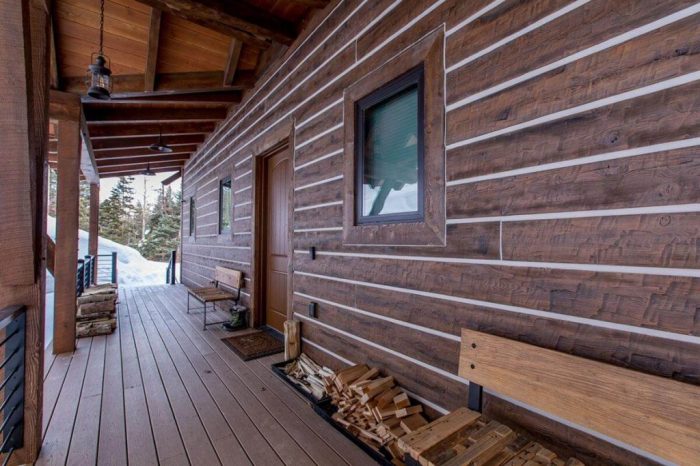
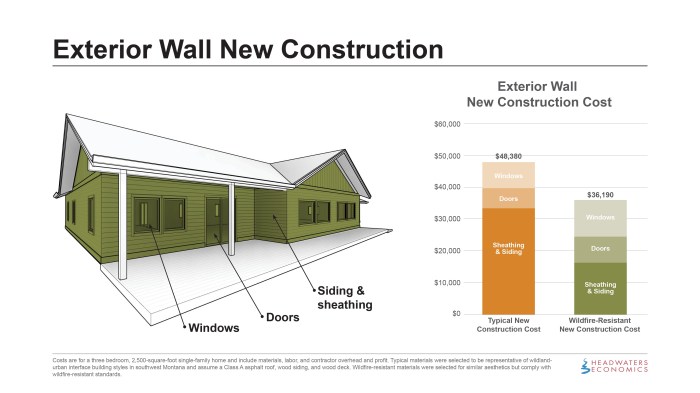
When selecting fire-resistant siding materials for homes in dry zones, homeowners should take into account several key factors to ensure optimal protection against fire hazards. Factors such as cost, durability, and the impact of the climate in dry zones play a crucial role in determining the most suitable siding material.
Cost Comparison of Fire-Resistant Siding Options
- Fire-resistant siding materials can vary significantly in cost, depending on the type of material used and the level of fire protection it offers.
- Fiber cement siding is a popular choice for its fire-resistant properties and moderate cost compared to other options like metal or stone siding.
- Wood composite siding, while providing good fire resistance, may come at a higher cost due to its premium quality and durability.
Impact of Dry Zone Climate on Siding Material Choice
- The dry climate of a zone can increase the risk of wildfires, making it essential for homeowners to choose fire-resistant siding materials that can withstand high temperatures and reduce the spread of flames.
- Materials like fiber cement, metal, and stucco are known for their fire-resistant properties and are suitable choices for homes in dry zones prone to wildfires.
- Proper installation and maintenance of fire-resistant siding can further enhance the protection of homes in dry zones and minimize the risk of fire damage.
Installation Techniques for Fire-Resistant Siding
When it comes to installing fire-resistant siding materials on homes in dry zones, proper techniques are crucial to ensure maximum protection. Here, we will discuss the step-by-step process for installing fire-resistant siding and any special considerations to keep in mind
Step-by-Step Installation Process
- Prepare the surface: Make sure the surface where the siding will be installed is clean, dry, and free of any debris.
- Measure and cut the siding: Take accurate measurements of the area to be covered and cut the siding panels accordingly.
- Install the starter strip: Begin by installing the starter strip at the bottom of the wall to ensure a level base for the siding.
- Attach the siding panels: Secure the siding panels to the wall using appropriate fasteners, following the manufacturer's guidelines.
- Overlap the panels: Ensure that each panel overlaps the one below it to create a watertight seal and prevent moisture penetration.
- Finish with trim: Complete the installation by adding trim pieces around windows, doors, and corners for a polished look.
Special Considerations for Dry Zones
- Choose the right material: Opt for fire-resistant siding materials specifically designed for dry climates to withstand the harsh conditions.
- Ensure proper ventilation: Adequate ventilation behind the siding is essential to prevent moisture buildup, which can compromise the fire resistance of the material.
- Regular maintenance: Inspect the siding regularly for any signs of damage or wear and tear, especially in dry zones where the risk of fire is higher.
Maintenance and Longevity of Fire-Resistant Siding
Proper maintenance is essential to ensure the longevity of fire-resistant siding for homes in dry zones. By following specific guidelines, homeowners can extend the lifespan of these materials and enhance their fire-resistant properties.
Expected Lifespan of Various Fire-Resistant Siding Materials
- Fiber Cement Siding: Fiber cement siding typically has a lifespan of 50-100 years, making it one of the most durable options for fire-resistant siding.
- Metal Siding: Metal siding can last anywhere from 40-80 years, depending on the type of metal used and the maintenance practices followed.
- Brick or Stone Veneer: Brick or stone veneer siding can last for over 100 years if properly maintained, offering excellent fire resistance and durability.
Tips to Extend the Lifespan of Fire-Resistant Siding in Dry Climates
- Regular Cleaning: Clean the siding regularly to remove dirt, debris, and potential fire hazards that can accumulate over time.
- Inspect for Damage: Periodically inspect the siding for any signs of damage, such as cracks, warping, or discoloration, and address them promptly to prevent further deterioration.
- Sealants and Paint: Apply sealants and paint as recommended by the manufacturer to protect the siding from UV rays, moisture, and other environmental factors that can reduce its lifespan.
- Trim Vegetation: Keep vegetation trimmed and away from the siding to prevent contact with flammable materials and reduce the risk of fire damage.
Wrap-Up
From the various options available to the key factors influencing your decision, this guide has shed light on the importance of fire-resistant siding materials for homes in dry zones. By following the tips provided, homeowners can enhance the safety and durability of their properties.
Question Bank
Are fire-resistant siding materials more expensive than regular siding?
While fire-resistant siding materials may have a higher upfront cost, they can offer long-term savings by reducing the risk of fire damage to your home.
Can fire-resistant siding be painted to match the aesthetics of the house?
Yes, many fire-resistant siding materials can be painted to achieve the desired look while maintaining their protective properties.
How often should fire-resistant siding be inspected for maintenance?
Regular inspections, at least once a year, are recommended to ensure that the siding remains in good condition and continues to provide fire protection.
Do all fire-resistant siding materials have the same level of fire protection?
No, the level of fire protection can vary among different types of fire-resistant siding materials, so it's important to choose one that meets the specific needs of your home.

